

Artificial intelligence once seemed like something out of a futuristic movie. Today, ChatGPT can be right there in your browser while you work, study, write an email, or tackle a difficult topic.
ChatGPT has been instrumental in driving that change.
Developed by OpenAI, ChatGPT allows people to interact with artificial intelligence using everyday language. Rather than learning complex commands, users can simply type what they need and continue the conversation. This straightforward approach has made AI easier for everyday users to understand and use.
ChatGPT is more than a chatbot that answers questions. It’s gradually becoming a general-purpose digital assistant, and the ways people use it are evolving as quickly as the technology itself.
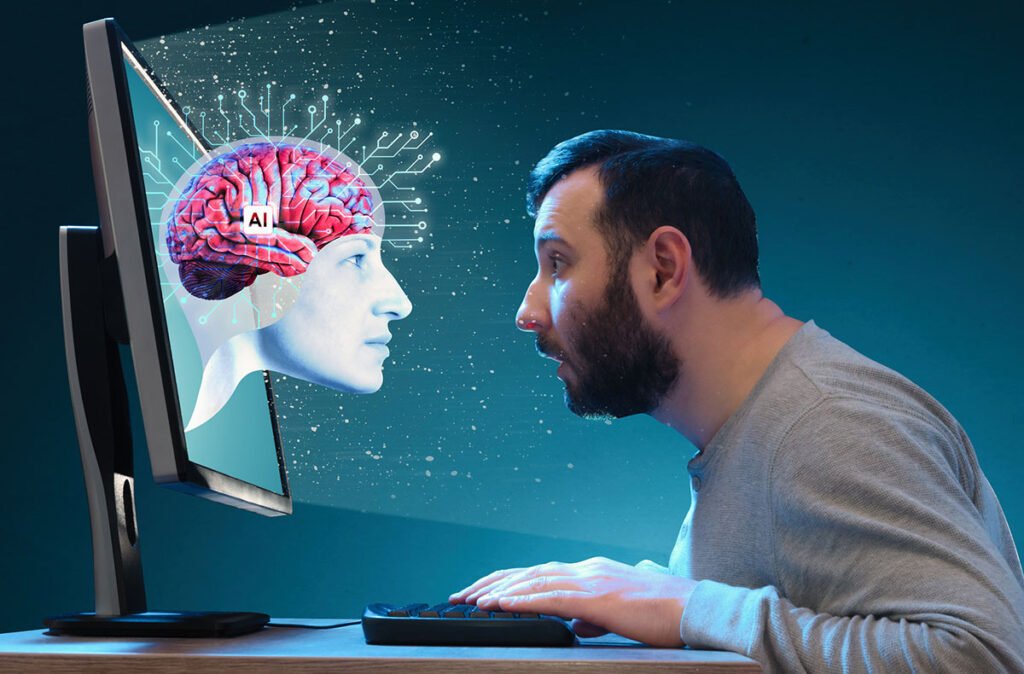
What makes ChatGPT different?
The biggest attraction of ChatGPT is its simplicity.
You don’t need to understand how artificial intelligence works to start using it. Ask it to explain a complex topic in beginner-friendly terms, rewrite a paragraph, create a study plan, summarize information, or help organize your ideas.
The conversation can flow naturally from one question to the next. If the first explanation is too difficult, ask ChatGPT to simplify it. Need an example? Just ask. Want to explore the topic further? Keep the conversation going.
That makes the experience similar to using traditional software and the same as having an interactive assistant.
ChatGPT can be helpful, but it is not perfect. It may occasionally provide answers that sound confident even when the information is incomplete or incorrect. Always use your judgment and verify important details.
ChatGPT has become a learning tool
Education is one area where ChatGPT has taken on a compelling role.
When a student is having trouble with a challenging chapter, another textbook may not be the answer. Sometimes, a clearer or different explanation is what helps it click.
ChatGPT can break down complex concepts into simple, easy-to-understand explanations. It can also create examples, practice questions, revision notes, and step-by-step study plans to support learning.
For example, instead of asking ChatGPT to solve a math problem, a student can ask it to explain the steps involved. That distinction is important. ChatGPT is most useful when it supports understanding the process, not just delivering the final answer.
There is also increasing concern that students may use AI to complete assignments without truly learning the material. That concern is valid. When the technology does all the thinking, students miss the core purpose of the exercise.
When used responsibly, ChatGPT can work more like a personal study assistant than a machine that simply gives answers—helping you learn in ways that work for you.
It is changing everyday work
The workplace is another area where ChatGPT is becoming useful.
Many roles include repetitive writing and information-management tasks. Drafting emails, outlining documents, organizing notes, creating basic reports, generating ideas, and revising unclear sentences can be time-consuming, even when the work itself is straightforward.
AI can help with these tasks.
ChatGPT can support your work in different ways. A marketing employee might use it to brainstorm campaign ideas. A manager might use it to turn rough notes into a clearer document. A writer might use it to get started when they are stuck at the beginning of an article.
The important word here is “help.”
ChatGPT can help you draft and refine writing, but a person still needs to review the final result. AI-generated content may sound generic, repeat ideas, or miss the intended tone. Professional work also depends on subject knowledge and accountability for the accuracy of the final information.
ChatGPT can speed up part of the process, but it does not automatically make the final work good.
What about creativity?
The relationship between AI and creativity is perhaps the most debated part of the technology.
Asking a computer to help with something as personal as writing a story or shaping an idea may feel unusual at first. Still, many people are discovering that AI can be a helpful part of the creative process.
ChatGPT adapts to the way you work. Writers can explore different story directions, designers can develop concepts, and content creators can brainstorm topics before choosing the one worth pursuing.
The human still brings the experience behind the idea.
AAI can generate possibilities, but people decide which ideas feel right, carry meaning, and deserve further development. Rather than competing with creativity, AI can serve as another tool in the creative process.
The problem of trusting AI too much
For all its convenience, ChatGPT should not be treated as an unquestionable source of truth.
AI models can sometimes provide incorrect information. They may misinterpret a question, omit important context, or present an inaccurate statement in a convincing manner.
This matters most when the topic involves health, law, finance, academic research, or other areas where an incorrect answer could have serious consequences.
The best habit is simple: use AI to get information and ideas, then verify important facts using reliable sources.
Another concern that can be easy to miss is privacy. Before entering confidential documents, passwords, financial information, or sensitive personal details into an AI service, people should consider the risks carefully.
The convenience of AI should not come at the cost of basic digital caution.
Will ChatGPT replace people?
This is probably the question people ask most often.
The answer is more complicated than simply saying yes or no.
AI can automate parts of your work that previously required multiple manual steps. While some responsibilities may shift, it can also create more room to focus on the work that benefits most from human judgment, communication, creativity, and expertise.
Meanwhile, AI is opening up new kinds of work. People are learning to operate AI tools, review the results they produce, create applications around them, and incorporate them into established business operations.
The technology is therefore likely to change many jobs, but that does not mean every job will disappear.
For workers, one of the most useful responses may be to learn how AI works and understand where it can genuinely save time.
Where does ChatGPT go from here?
ChatGPT is part of a much larger movement in technology.
ChatGPT is moving beyond simple text chats. AI can now work with images, audio, documents, and software, opening up new ways to interact with information. As these capabilities grow, AI assistants are likely to connect more naturally with the tools you use every day.
That could eventually make the traditional idea of an app feel different.
IRather than switching between apps for every task, people may increasingly be able to simply say what they need and have an AI system help organize the steps, much like ChatGPT works for you.
A useful AI future depends on more than capability alone. Responsible development—including accuracy, privacy, transparency, security, and human control—is equally important.
The bigger picture
ChatGPT’s biggest achievement may not be that it can write an essay or answer a question. It is that it has changed the way ordinary people interact with advanced technology.
For much of computing history, people had to adapt to the language of machines. ChatGPT points in the other direction: machines are beginning to work with the language people naturally use.
That shift makes AI more accessible to more people.
There are still important limitations to address. ChatGPT can make mistakes; it can be misused, and the long-term effects of AI on education and employment are still taking shape.
Yet AI is no longer something to simply watch from afar.
It is now a tool that millions can use directly.
As ChatGPT continues to develop, the question is not only what AI can do next, but what people will choose to do with it.